 By Patti Schell, RN, BSN, FNP, Owner, Rise Above Wellness
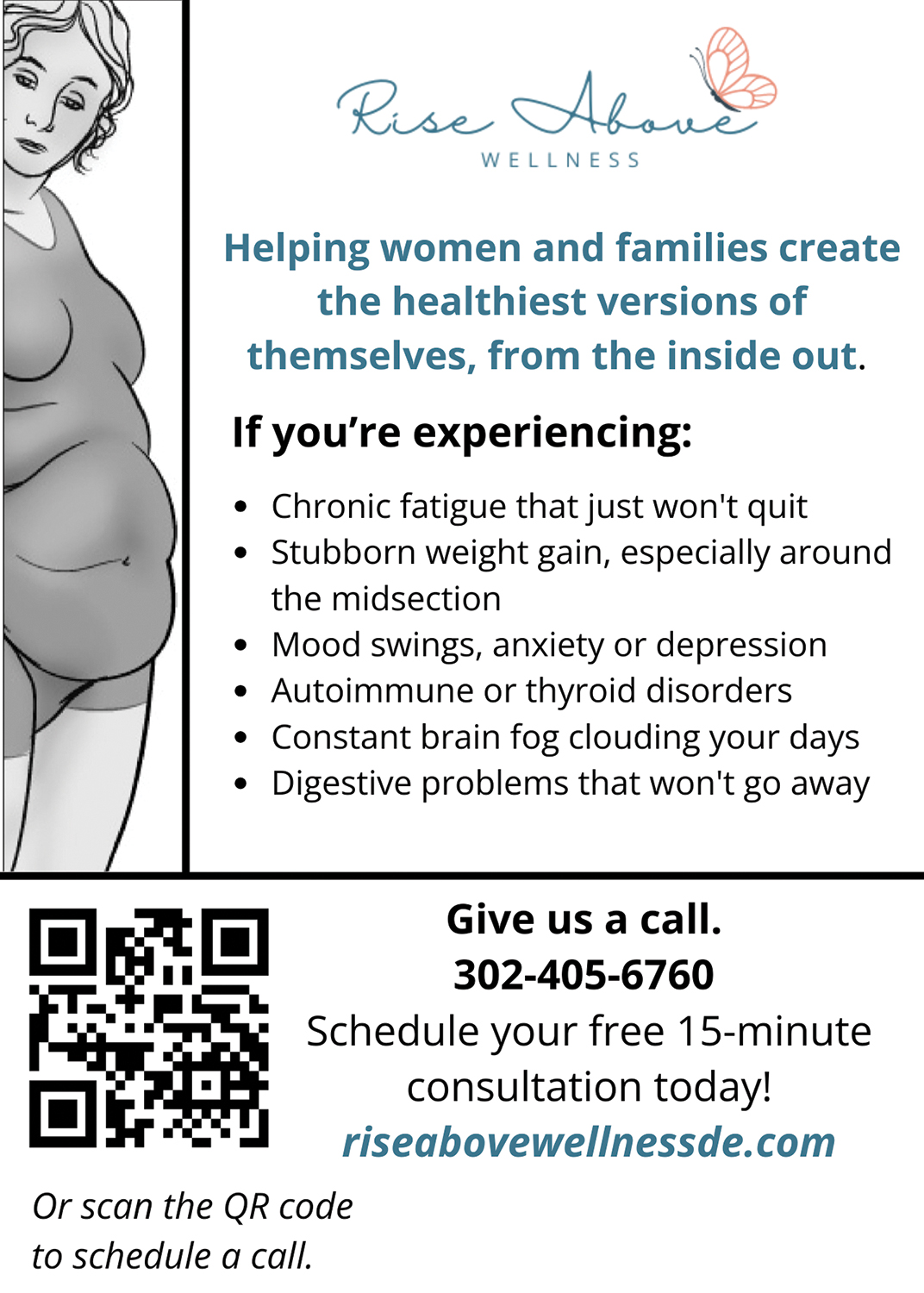
Maybe you’re tired all the time, even though you’re getting enough sleep. Your digestion isn’t what it used to be. You’re gaining weight despite trying to eat well. Your hormones feel unpredictable, your stress is through the roof, or you simply don’t feel like yourself anymore.
You may have even been told that your lab results look “normal”—yet you know you don’t feel your best.
This is where a functional medicine approach can offer a different perspective.
First, it’s important to understand what functional medicine is. Functional medicine is a holistic, systems-based approach to healthcare that focuses on identifying and addressing the root causes of disease rather than simply treating symptoms. Instead of looking at each symptom in isolation, functional medicine considers how different systems within the body—and factors such as nutrition, sleep, stress, movement, environment, genetics and lifestyle—may be influencing one another.
Functional medicine also asks an important question: Why might this be happening?
For example, fatigue isn’t always simply about needing more sleep. Nutrition, blood sugar, stress, thyroid function, hormones, gut health and daily habits may all contribute to how you feel.
The goal is to look at the bigger picture and identify areas where your body may need additional support.
Your health is more than a single lab result
One of the most valuable aspects of a functional approach is personalization.
Two women can experience the same symptom for very different reasons. That means their paths forward may look different, too.
A functional wellness journey often begins with a comprehensive look at your health history, current symptoms, nutrition, lifestyle and goals. Depending on the individual and the provider, functional lab testing may offer additional information. From there, a personalized plan can focus on the areas most likely to make a meaningful difference.
And often, that plan isn’t about doing something extreme. It’s about making small, strategic changes consistently enough to create lasting results.
Food is foundational—but it’s not the whole story
Food has been used to heal ailments for thousands of years—long before modern medicine existed. Across cultures and eras, people observed that certain foods, herbs, and natural substances could prevent illness, speed healing, or restore strength. Nutrition is an important part of functional wellness because the foods we eat provide the building blocks our bodies need to function.
But good health isn’t created by food alone. Sleep matters. Stress matters. Movement matters. Relationships matter. Your environment matters. And perhaps most importantly, the habits you practice every day matter.
Functional wellness brings these pieces together instead of chasing one symptom—or searching for one “magic” solution.
You don’t have to settle for “I guess this is just how I feel now”
If you’ve been trying to improve your health but aren’t sure what your body needs next, it may be time to take a more personalized and functional approach.
At Rise Above Wellness, we help women better understand their bodies, identify opportunities for support and build realistic nutrition and lifestyle habits designed for long-term wellness.
Ready to start asking better questions about your health?
Call 302-405-6760 or visit www.RiseAboveWellnessDE.com to schedule a discovery call.
follow us on instagram @riseabovewellnessde
follow us on facebook @RiseAboveWellness