How Retina Care Has Transformed Vision
 By Dr. Paula C. Ko, M.D.
I have been taking care of retina patients for 31 years, and have witnessed a transformation in care that continues to astound me!
Thirty years ago, a diagnosis of a retinal disease often came with a sobering message: doctors could give you a diagnosis, maybe do some forms of vision-threatening laser or surgery to slow vision loss, but saving sight wasn’t usually possible, and reversing vision loss was unheard of. Today, that conversation sounds very different. Thanks to major advances in science and technology, retinal care has entered an era focused not just on preserving vision, but improving vision and helping people maintain their independence and quality of life long into the late years of life. It is not uncommon for me to have many 90+ year-old patients driving in for eye injections.
When slowing vision loss was the best we could do
In the past, many retinal conditions were treated primarily with laser therapy. While lasers were groundbreaking at the time, they worked by intentionally damaging areas of the retina to stop leaking or bleeding. The goal was to prevent things from getting worse, not to restore what had already been lost.
For patients with conditions like macular degeneration or diabetic eye disease, this often meant living with gradual vision decline despite treatment. Not uncommonly, the laser treatment immediately decreased a patient’s vision, and the argument was that in the long run, it made the vision decline less. Doctors and patients alike knew this was not ideal.
A breakthrough in understanding the disease
Everything changed when researchers uncovered the role of abnormal blood vessel growth and inflammation in retinal disease. This led to the development of medications (Vasoendothelial Growth Factor inhibitors) that target the abnormal blood vessel growth rather than the damage itself. Treatments could now reduce swelling and bleeding, and in many cases actually improve vision.
Although eye injections can sound intimidating, they are quick, carefully controlled, and widely tolerated. Millions of people who once expected to lose their central vision are now reading, driving, and staying active well into older age.
Today we have many different drugs to inject into the eye to treat things like wet AMD, dry AMD with geographic atrophy, vein occlusion, and diabetic retinopathy. Typically injections are given monthly or every few months, but currently, drugs are being developed that will last much longer!
Seeing the retina like never before
At the same time, imaging technology advanced dramatically. Optical coherence tomography, or OCT, allows doctors to view cross-sectional images of the retina in extraordinary detail. Fluid, thinning, and subtle changes can be detected long before a patient notices symptoms.
This means retinal disease can often be treated earlier, more precisely, and with better long-term outcomes. Care has shifted from reacting to vision loss to actively preventing it.
New hope for dry macular degeneration
Perhaps one of the most exciting developments in recent years is progress in treating dry age-related macular degeneration (AMD). For decades, patients with dry AMD were told there were no direct treatments—only vitamins (we recommend the AREDS2 formula) and monitoring with an amsler grid.
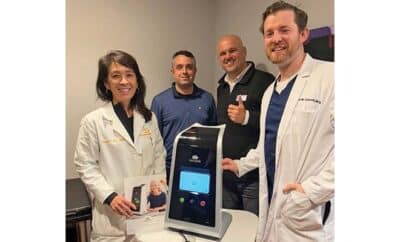
That is beginning to change. One emerging option is light-based therapy, also known as photobiomodulation. This therapy uses carefully calibrated, low-level light to stimulate retinal cells and support mitochondrial function, the energy source within cells. Early studies suggest it may help slow disease progression and improve visual function in some patients with dry AMD.
While light therapy is not a cure and is not appropriate for every patient, it represents an important shift; for the first time, doctors can offer an active treatment option for some people with dry AMD rather than observation alone.
What this means for patients today
The biggest change in retinal care is perspective. A retinal diagnosis no longer automatically means inevitable vision loss. Many conditions are now manageable over the long term, especially when detected early.
Patients play a critical role by keeping regular eye appointments, reporting subtle vision changes, and following treatment plans. Early intervention makes today’s advanced therapies far more effective.
Looking ahead
The future of retina care continues to evolve. Longer-lasting medications, implantable drug delivery systems, gene therapies, and artificial intelligence tools for early detection are already reshaping what’s possible.
The story of retinal medicine is one of steady progress—moving from damage control to precision care, and from resignation to hope. For patients facing retinal disease today, that progress can make all the difference in how clearly, they see the world tomorrow.
For more information please call 302-652-3353 or visit www.eyephysicians.com.
Bio
A board certified physician, Dr. Paula Ko focuses on retinal problems, particularly diabetic eye disease, macular degeneration, retinal detachment, and macular pucker and macular holes. Dr. Ko received her undergraduate degree from the Ohio State University College of Engineering, graduating with honors. She returned to Ohio State for her medical degree, graduation with honors from the College of Medicine.
Following her medical/surgical internship at Riverside Methodist Hospital in Ohio, she completed her residency in ophthalmology at Temple University Hospital in Philadelphia, where she served at Chief Resident. She served a prestigious fellowship at Georgetown University Hospital in Washington, DC in diseases of the retina and vitreous. Dr. Ko has been a partner at Eye Physicians and Surgeons, P.A. for over 25 years. She is also on the staff of the Temple University Hospital. Considered a leader in her field, she has lectured extensively on retinal diseases and other topics in ophthalmology.
Eye Physicians & Surgeons, P.A. 1207 North Scott Street, Wilmington, Delaware 302-652-3353 eyephysicians.com
follow us on facebook & instagram